2026/11/09 12:12
福岡県新宮町の森尾園です。八女茶という名前を初めて見たときは、読み方に加え、産地の名前なのか、お茶の種類なのかを知ると商品を選びやすくなります。
Hello from Morioen in Shingu, Fukuoka. If Yame tea is new to you, it helps to learn both its pronunciation and whether the name describes a region or a type of tea.
この記事では八女茶の名前と歴史を入り口に、煎茶・玉露白折・抹茶の表示を読み解きます。産地全体の紹介と、一袋ごとの商品説明を分けて見るのがポイントです。
This guide begins with the name and history, then explains labels for sencha, gyokuro shiraore and matcha. Keep regional descriptions separate from the details of an individual pack.
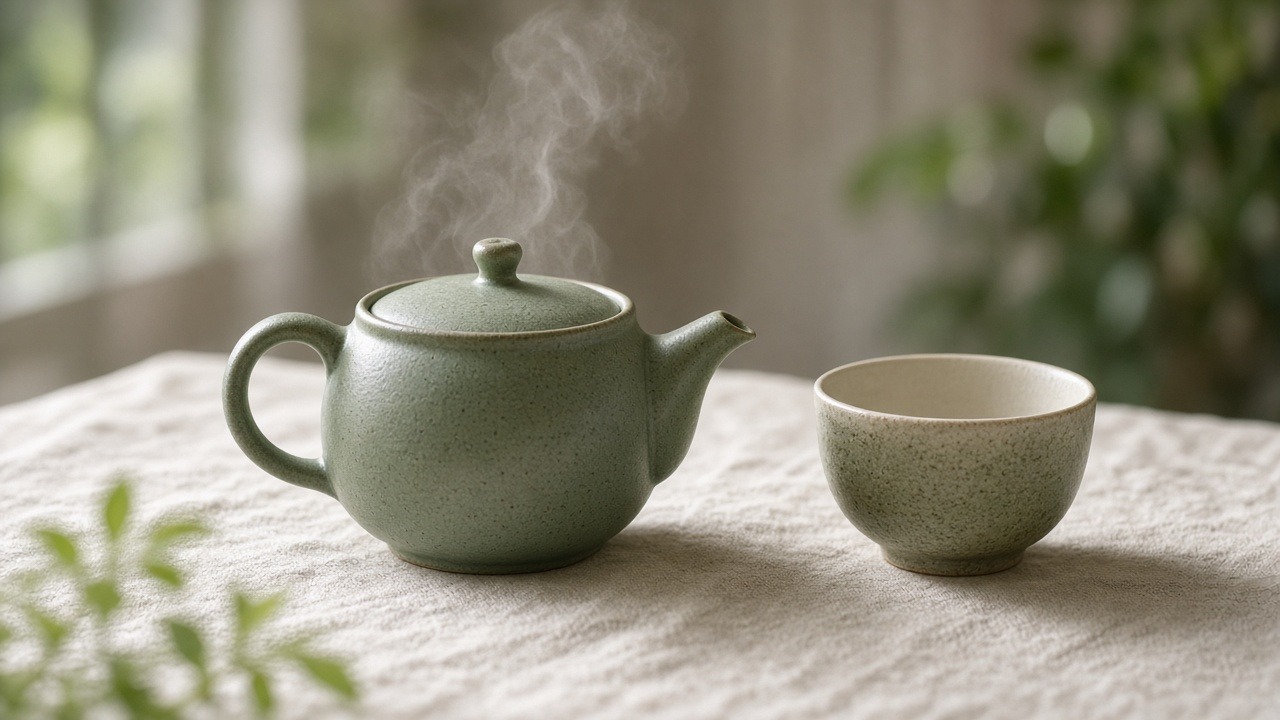
※イメージ写真 / Image for illustration
八女茶は「やめちゃ」と読みます
福岡県茶業振興推進協議会は、福岡県で生産するお茶を「福岡の八女茶」あるいは「八女茶」と呼称しています。読み方は「やめちゃ」で、八女という地名を含むお茶の名前です。
The Fukuoka Tea Promotion Council calls tea produced in Fukuoka Prefecture “Fukuoka no Yamecha” or “Yamecha.” The name is pronounced yamecha and includes the place name Yame.
「八女茶」と「煎茶」は、同じ意味の言葉ではありません。八女が産地を示すのに対し、煎茶は蒸して揉み、乾燥させる製法で作られるお茶の種類を示します。
“Yame tea” and “sencha” do not mean the same thing. Yame identifies an origin, while sencha identifies a type made by steaming, rolling and drying leaves.
商品名に「八女煎茶」とあれば、産地と茶種を続けて示していると読めます。まず名前を二つに分けてみると、同じ八女のお茶の中で何を比較しているのかがはっきりします。
A name such as Yame sencha combines an origin and a tea type. Separating those two elements makes it clearer what you are comparing within the region.
歴史は、伝承と現在の商品を分けて読む
同協議会によると、八女茶の始まりは室町時代の1423年とされています。栄林周瑞禅師が、現在の八女市黒木町笠原に茶の種子と製茶の技法を伝えたことが起源として紹介されています。
The council traces Yame tea's beginnings to 1423 in the Muromachi period. Its account says Zen priest Eirin Shuzui brought tea seeds and processing knowledge to present-day Kasahara in Kurogi, Yame City.
霊巌寺は「八女茶発祥の地」と伝わる寺として紹介されています。これは地域のお茶の歴史であり、現在販売されている個々の商品が、当時と同じ製法で作られているという意味ではありません。
Reiganji is described as the temple associated with Yame tea's origins. This is regional history, not a claim that individual teas sold today use the same methods as in that period.
歴史を知ってから商品ページを見るときも、現在の原料や加工の説明を改めて確認しましょう。伝統を感じる名前だけで、茶葉の種類や淹れ方まで決めつけないことが大切です。
When moving from history to a product page, check the current ingredients and processing description. A traditional-sounding name alone does not tell you the tea type or how to brew it.
産地の特徴と、一杯の味は同じではない
協議会は八女茶の特徴を、あまく、コクがあり、旨みの強いお茶と説明しています。ただし、産地全体の紹介を読んだだけで、すべての商品が同じ濃さや香りになるとは限りません。
The council describes Yame tea as sweet, full-bodied and rich in umami. That regional description does not mean every product has identical strength or aroma.
買うときには、産地名の次に茶種、原材料の説明、内容量を見てみてください。飲むための道具も考え、急須で抽出する茶葉なのか、粉を混ぜて飲むお茶なのかを確認します。
When buying, look beyond origin to tea type, ingredients and pack size. Also check whether it needs a teapot for steeping or is a powder to mix into water.
八女の煎茶・白折・抹茶を見分ける
急須で抽出する煎茶を探すなら、森尾園には▶ 八女特上煎茶 80gがあります。商品ページでは、さらりとした飲み口ながら味わいは濃い煎茶として紹介しています。
For sencha to steep in a teapot, Morioen offers ▶ Yame Premium Sencha in an 80 g pack. Its product page describes a light mouthfeel with a full flavour.
玉露という文字が入っていても、玉露白折は玉露の葉そのものとは区別して読みます。▶ 八女玉露白折(茎茶)80gは、八女の玉露の茎に煎茶をブレンドした商品です。
Even when the name includes gyokuro, gyokuro shiraore should be distinguished from gyokuro leaf tea. Morioen's ▶ Yame Gyokuro Shiraore 80 g blends Yame gyokuro stems with sencha.
この白折の商品ページでは、お湯の温度を85〜90℃ほどと案内しています。「玉露だから低温」と一律に考えず、手元の商品に書かれた温度を優先すると淹れ方を取り違えずに済みます。
The shiraore page recommends water around 85–90°C. Rather than assuming every tea with gyokuro in its name needs cool water, follow the instructions for the specific product.
抹茶を点てたい場合は、▶ 八女抹茶 霊巌の華 30gをご覧ください。こちらは八女の碾茶を石臼で挽いた抹茶で、急須で茶葉をこして飲む煎茶とは準備する道具も異なります。
For whisked tea, see ▶ Yame Matcha “Reigan no Hana,” 30 g. It is stone-ground Yame tencha and needs different preparation from sencha strained through a teapot.
家で比べるなら、条件も一緒に記録する
味を比べる日は、商品名とともに茶葉の重さ、湯量、温度、待ち時間を書き留めてみましょう。同じお茶でも条件を変えると比較の内容が変わるため、前回の一杯を思い出す手がかりになります。
When comparing cups, note the product, leaf weight, water volume, temperature and steeping time. Preparation changes the comparison, so these notes help you recall a previous cup.
煎茶と白折なら、それぞれの商品に合う手順で淹れたうえで、香りや口に含んだ印象を言葉にします。抹茶は粉を分散させて飲むため、茶葉をこしたお茶と同じ透明さを求める必要はありません。
Brew sencha and shiraore according to their own instructions, then describe their aroma and mouthfeel. Matcha is a suspension of powder, so it need not have the clarity of strained leaf tea.
茶種が違うお茶を比べるときは、産地だけが味の差の理由とは言い切れません。次に産地を比べたいときは煎茶同士にするなど、一つずつ比較の軸をそろえると整理できます。
When tea types differ, origin alone cannot explain every difference in taste. For a later regional comparison, choose two senchas so that you change one main variable at a time.
九州全体の中で八女を知る
八女以外の産地も知りたい方は、九州のお茶どころの記事をご覧ください。こちらは四つの産地を紹介する記事なので、名前の位置関係を知るときに役立ちます。
For other regions, see our article on Kyushu's tea regions. It introduces four origins and helps place their names in context.
一袋を選ぶ際は、八女という産地名、煎茶などの茶種、家庭の道具という三点を順番に確かめてください。名前の知識を、実際に準備できる一杯につなげてみましょう。
To choose a pack, check the Yame origin, the tea type and the equipment available at home. Connect what the name tells you with a cup you can actually prepare.