2026/11/09 12:12
「かぶせ茶」と「深蒸し茶」は、どちらも作り方に関する言葉ですが、見ている工程が違います。福岡県新宮町の森尾園が、玉露や煎茶との関係を、栽培と加工に分けて説明します。
Kabusecha and deep-steamed tea both describe production, but they refer to different stages. Morioen in Shingu, Fukuoka, explains their relationship to gyokuro and sencha through cultivation and processing.
名前を一列の順位に並べるより、「摘む前の茶園」と「摘んだ後の工場」を分けて考えると整理できます。この記事は、その区別を商品表示に当てはめて読むための案内です。
Rather than ranking the names, separate what happens in the garden before picking from processing afterward. This guide shows how to apply that distinction when reading product descriptions.
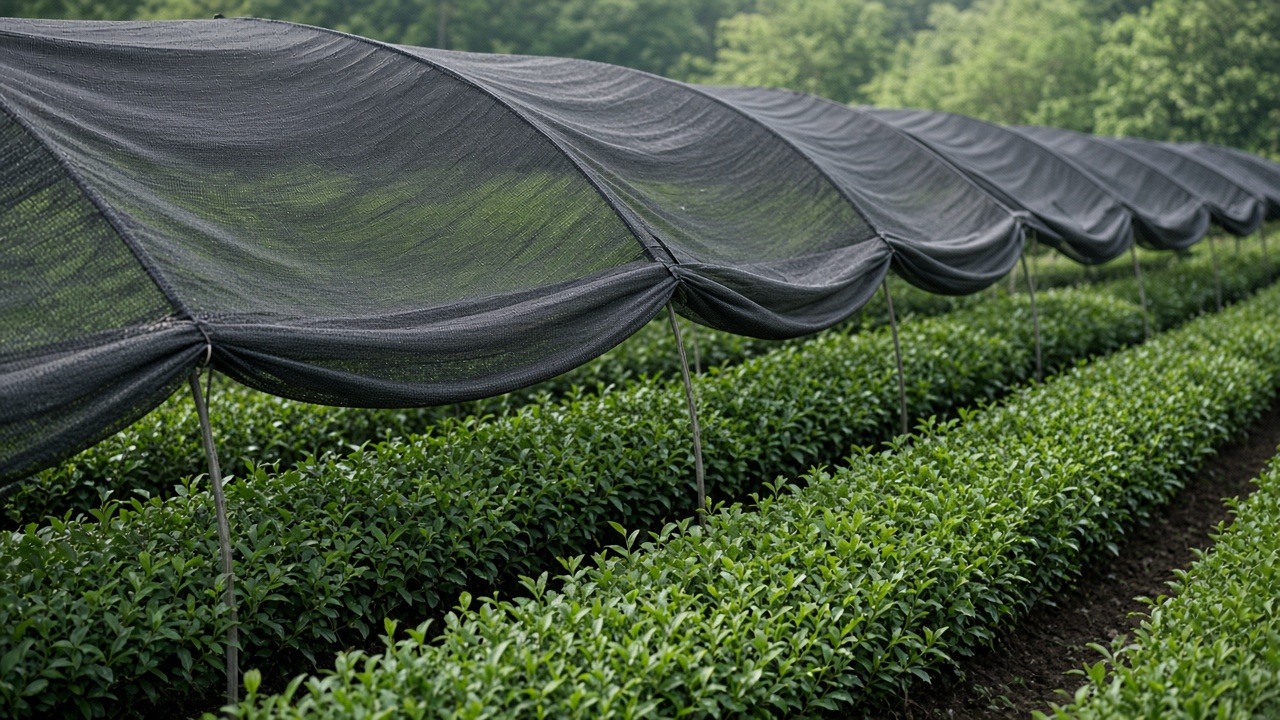
※イメージ写真 / Image for illustration
かぶせ茶は、摘む前の被覆が目印
農林水産省は、かぶせ茶を収穫前に茶園を一週間程度覆って育て、新芽を蒸して揉み、乾燥させるお茶と説明しています。覆うのは収穫後の茶葉ではなく、育っている茶樹です。
Japan's agriculture ministry describes kabusecha as tea covered for about a week before harvest, then steamed, rolled and dried. The cover is placed over growing tea plants, not harvested leaves.
日本茶業中央会の「緑茶の表示基準」でも、摘採前七日程度、藁や寒冷紗などの資材で覆った茶園の葉を、煎茶と同様に製造したものと定義しています。被覆と、その後の製造を組み合わせた名前です。
The Japan Tea Central Association's labelling standards likewise define it as tea covered for about seven days before picking and processed like sencha. The name combines cultivation and subsequent processing.
玉露との違いは、まず覆う期間を見る
同じ農林水産省の説明では、玉露の被覆期間は収穫前の二十日程度です。かぶせ茶の一週間程度と比べて長く、どちらも摘む前に覆うお茶ですが、同じ名前にはまとめられていません。
The ministry gives about twenty days of pre-harvest covering for gyokuro. That is longer than kabusecha's roughly one week, so they are not classified under the same name despite both being covered.
これらの日数には「程度」という幅があり、家庭で数日違いの商品を見つけても、それだけで名称の適否を断定することはできません。栽培や加工の詳細は、商品の表示や生産者の説明を確認します。
These periods are approximate; a difference of a few days alone is not enough for a consumer to judge a label. Check the product or producer's description for cultivation and processing details.
玉露の名前が入る商品でも、玉露の葉だけの商品とは限らない点にも注意してください。玉露の茎を用いた白折や、白折を挽いた粉末茶は、原料と形の説明まで続けて読む必要があります。
A product with gyokuro in its name is not necessarily pure gyokuro leaf tea. For shiraore stems or powder made from shiraore, read the rest of the name and ingredient description too.
深蒸しは、摘んだ後の蒸し時間の区分
中央会の表示基準では、深蒸し煎茶は煎茶と同様に製造し、蒸し時間を煎茶の二倍以上にしたものです。かぶせ茶の被覆期間とは違い、こちらは製造工程での加熱の長さを示しています。
The association defines deep-steamed sencha as processed like sencha but steamed for at least twice as long. Unlike kabusecha's covering period, this refers to heating during processing.
したがって「かぶせ茶と深蒸し茶はどちらか一方」という二択ではありません。被覆の説明と蒸しの説明が一つの商品にあっても矛盾ではなく、異なる工程の情報を示していると読めます。
Kabusecha and deep-steamed tea are therefore not necessarily mutually exclusive choices. A description can mention both covering and steaming because they concern different production stages.
一方、「かぶせ茶」とだけ書かれている商品から、蒸し時間まで推測することはできません。鮮やかな緑色などの写真だけを頼りにせず、深蒸しかどうかは文章で確認しましょう。
A kabusecha label alone does not tell you the steaming time. Do not infer deep steaming solely from a photograph with vivid green tea; look for a written statement.
味の説明を読むときの手がかり
農林水産省は、かぶせ茶をぬるめのお湯で淹れると甘みを感じやすく、熱めなら煎茶のようなキレのある味になると紹介しています。同じ茶種でも、淹れ方を考える余地があるという説明です。
The ministry describes kabusecha as showing sweetness with cooler water and a sharper sencha-like character with hotter water. This highlights the role of brewing even within one tea type.
ただし、すべてのかぶせ茶に共通する唯一の温度や時間を、この説明だけで決めることはできません。購入した商品の案内から始め、温度を変えるなら茶葉量と湯量はそろえて試します。
That description does not establish a single temperature or time for every kabusecha. Start with the purchased product's instructions and keep leaf and water amounts fixed if testing temperatures.
関連商品は、分類を混同せずに選ぶ
煎茶の商品例には、▶ 八女特上煎茶 80gがあります。これは八女の煎茶として紹介する商品であり、このページの解説を理由に、かぶせ茶や深蒸し茶だと付け足して案内するものではありません。
▶ Yame Premium Sencha, 80 g, is an example of a sencha product. It is not being labelled kabusecha or deep-steamed tea on the strength of this general explanation.
▶ 八女玉露白折(茎茶)80gは、八女の玉露の茎と煎茶をブレンドした商品です。商品ページの推奨湯温は85〜90℃ほどなので、玉露の低温の淹れ方をそのまま当てはめないようにします。
▶ Yame Gyokuro Shiraore, 80 g, blends Yame gyokuro stems with sencha. Its page recommends around 85–90°C, so do not automatically use a low-temperature gyokuro recipe.
白折を粉末で飲みたい場合は、▶ 石臼挽き 八女玉露白折 粉末茶 30gがあります。白折を石臼で挽いた粉末であり、抽出液を乾燥させたインスタントティーとは異なるため、水やお湯に混ぜて分散させて飲みます。
For shiraore in powdered form, Morioen offers the ▶ Stone-ground Yame Gyokuro Shiraore Powder, 30 g. Unlike instant tea made from dried extract, this ground tea is mixed and dispersed in water.
粉末は時間がたつと沈殿することがあるので、飲む前に軽く混ぜ直してください。「かぶせ」という育て方と、「粉末」という飲む形の違いも、別の項目として確認できます。
Powder may settle over time; stir gently again before drinking. “Covered cultivation” and “powdered form” are separate details to check.
購入前の確認項目を一枚にまとめる
気になる商品を見つけたら、茶種、被覆の説明、蒸し方、内容量、淹れ方の五項目をメモしてみましょう。分からない項目は空欄にし、購入前に販売元へ質問する内容として残します。
For a tea you are considering, note its type, covering, steaming, pack size and brewing instructions. Leave unknown items blank as questions to ask the seller before purchase.
たとえば「七日被覆とあるが深蒸しの記載はない」と書けば、分かることと分からないことを区別できます。名称から想像した味より、表示された条件と自分が淹れた記録を比較の基準にしてください。
A note such as “seven days covered; no steaming detail stated” separates known from unknown. Use the stated details and your brewing notes, rather than an imagined taste from the name alone.
白折の具体的な淹れ方は、白折茶の入れ方の記事にまとめています。かぶせ茶の定義と個別商品の手順を分けて読むことで、似た名前のお茶も扱いやすくなります。
Our shiraore brewing article provides specific preparation guidance. Keeping tea definitions separate from product instructions makes similar-sounding names easier to navigate.