2026/11/09 12:12
茎茶、棒茶、白折という名前を見かけると、別々のお茶なのか、呼び方の違いなのか迷うことがあります。福岡県新宮町の森尾園が、名前だけでは決められない点も含め、表示を読む順番を紹介します。
Names such as kukicha, bocha and shiraore can make it unclear whether the teas differ or simply have different names. Morioen in Shingu, Fukuoka, explains how to read the labels without assuming too much.
この記事で見るのは、淹れ方ではなく袋の中身を知るための言葉です。茎の由来、ほかの茶葉とのブレンド、焙煎の有無を分けて確認すると、名前の似た商品も比較しやすくなります。
This article focuses on words that describe a pack's contents rather than brewing. Check the stems' source, any blend with other tea and roasting separately when comparing similarly named products.
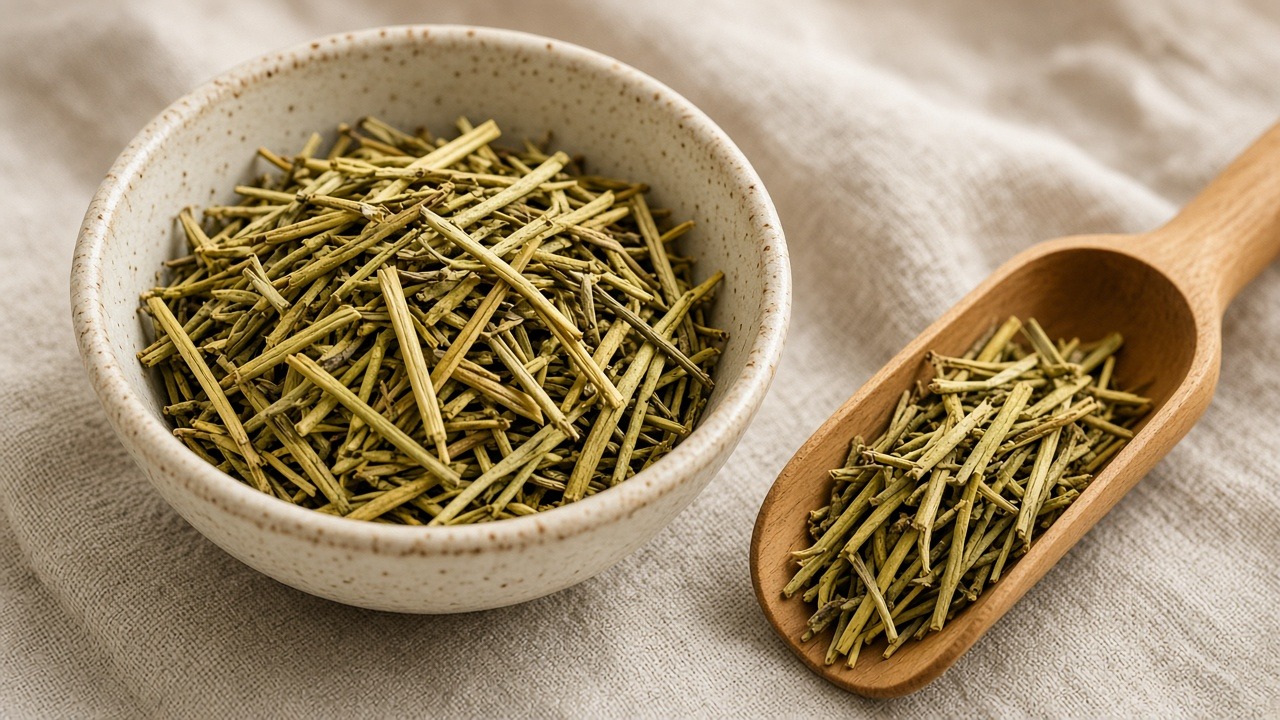
※イメージ写真 / Image for illustration
茎茶と棒茶は、表示基準では同じ項目
日本茶業中央会の「緑茶の表示基準」には、「茎茶又は棒茶」という項目があります。荒茶の仕上げ工程で選別された茶の茎や葉柄、または篩分けられた木茎を指すと定義されています。
The Japan Tea Central Association's standards list “kukicha or bocha” together. They are defined as stems, petioles or woody stems separated during the finishing of aracha.
つまり、この二つの名前だけを見て、原料の茶種や味が必ず違うと判断することはできません。どちらも茎などの部位に着目した名称であり、次に原料の説明を読む必要があります。
The two names alone do not establish different source tea types or flavours. Both concern plant parts such as stems, so the ingredient description is the next detail to read.
仕上げ前の荒茶には、葉だけでなく茎や細かい部分も含まれます。選別する前の状態を示す「荒茶」と、選び分けた部位を示す「茎茶」は、別の段階に着目した言葉です。
Aracha before sorting contains leaves, stems and finer material. Aracha refers to a stage before sorting, whereas stem tea refers to selected parts.
白折は「しらおれ」と読む
森尾園では、茎茶の商品名に「白折」という呼び方を用いています。ただし、白折という名前だけで、すべての商品が玉露由来、あるいは茎だけでできているとは決められません。
Morioen uses the name shiraore for a stem-tea product. The word alone does not establish that every product comes from gyokuro or consists only of stems.
具体例の▶ 八女玉露白折(茎茶)80gは、八女の玉露の茎に煎茶をブレンドして仕上げた商品です。「玉露」「白折」という文字と、ブレンドの説明を合わせて読むことで中身を把握できます。
For example, Morioen's ▶ Yame Gyokuro Shiraore, 80 g, blends stems from Yame gyokuro with sencha. Read the name together with the blending description to understand its contents.
ブレンドを含む商品を「玉露の茎だけ」と言い換えると、内容の説明が変わってしまいます。茶種の一般論と、実際に購入する商品の配合説明を分けて読むことが大切です。
Calling a blend “only gyokuro stems” would change the product description. Distinguish general tea terminology from the composition of the product you intend to buy.
「棒茶」と「焙じた茎茶」は同義ではない
棒茶という名称の定義には、焙煎したという条件はありません。一方、同じ表示基準でほうじ茶は、煎茶や番茶などを強い火で焙って製造したものとされています。
Roasting is not part of the standards’ definition of bocha. In the same standards, hojicha is tea made by roasting sencha, bancha or similar tea over strong heat.
そのため、香ばしいお茶を探す場合は、棒という文字だけでなく「ほうじ」「焙煎」などの説明を確かめましょう。茶の部位を示す言葉と、火を入れる加工を示す言葉を分けるのがポイントです。
If you want roasted tea, check for wording such as hojicha or roasting rather than relying on bocha alone. Separate the plant part from the processing method.
逆に、白折と書かれた商品にも、焙煎の程度まで共通するとは限りません。色や香りを想像して注文する前に、商品の加工説明と味の紹介を一組として読むと取り違えを減らせます。
Likewise, a shiraore name does not establish a uniform roasting level. Read processing and tasting descriptions together before ordering based on an imagined colour or aroma.
茎茶・粉茶・粉末茶を分けて考える
粉茶は、表示基準では仕上げ工程で篩分けされた粉末状の茶を指します。粉末茶は茶を粉砕機などで粉末にしたもので、名前は似ていても、選別したものか挽いたものかという違いがあります。
The standards define konacha as fine material sifted out during finishing, while powdered tea is tea ground into powder. The distinction is sorting versus grinding, despite the similar names.
茎茶を挽いて粉末にすれば、飲むときの扱い方も変わります。急須でこして飲む茶葉と違い、粉そのものを水やお湯の中に分散させるため、細かな茶の粒子も一緒に飲む形です。
Grinding stem tea changes how it is prepared. Unlike leaves strained through a teapot, the powder is dispersed in water and drunk with the fine tea particles.
森尾園の▶ 石臼挽き 八女玉露白折 粉末茶 30gは、八女玉露白折を石臼で挽いた粉末茶です。インスタントの抽出粉末とは異なり、時間がたって沈殿したときは、飲む前に軽く混ぜ直してください。
▶ Stone-ground Yame Gyokuro Shiraore Powder, 30 g is made from Yame Gyokuro Shiraore. It differs from dried instant-tea extract; if it settles, gently stir it again before drinking.
荒茶と比べると、選別の意味が分かる
選別前のお茶の例には、▶ 農家の自家用茶(荒茶)80gがあります。商品ページでは、煎茶・白折・粉茶などが混ざった荒茶を選別して、それぞれのお茶ができると説明しています。
▶ Farmer’s Everyday Tea (Aracha), 80 g, is an example of tea before sorting. Its page explains that sorting aracha separates material into sencha, shiraore and konacha.
荒茶と白折を見比べる場合は、まず葉と茎の見た目の違いを観察してみましょう。量や形に違いがあるからといって、それだけで品質の優劣や原料の配合率を判断することはできません。
When comparing aracha and shiraore, first observe the appearance of leaves and stems. Differences in amount or shape alone do not establish quality rankings or exact blend proportions.
注文前に確認しておきたいこと
購入前のメモは、「茎が中心か」「元の茶種が示されているか」「ブレンドや焙煎の説明があるか」の三点で十分です。記載がないことは推測せず、気になる項目を販売元に尋ねてください。
A pre-purchase note can focus on three questions: is it stem-centred, is the source tea named, and is blending or roasting described? Ask the seller about missing details rather than guessing details
贈り物では、相手が急須を使うかも確認すると、茶葉と粉末の選択を絞れます。茎茶という原料の特徴と、粉末や茶葉という使い方の違いを分けると、必要な道具まで見通せます。
For a gift, check whether the recipient uses a teapot to help choose loose leaves or powder. Distinguishing stem ingredients from the final form also clarifies the equipment needed.
白折を選んだ後の具体的な温度や時間は、白折茶の入れ方の記事をご覧ください。名前を読み解く段階と、淹れる段階を分けて使うと便利です。
After choosing shiraore, see our shiraore brewing article for temperatures and timings. Use the label guide and brewing guide at their respective stages.