2026/10/15 14:38
福岡県新宮町の日本茶専門店、銘茶の里 森尾園です。
今回は、八女抹茶「霊巌の華(れいがんのはな)」と、その名前の由来になった八女茶の歴史をご紹介します。
今回は、八女抹茶「霊巌の華(れいがんのはな)」と、その名前の由来になった八女茶の歴史をご紹介します。
Hello from Meicha no Sato Morioen, a Japanese tea shop in Shingu, Fukuoka.
This time we introduce our Yame Matcha "Reigan no Hana" and the history of Yame tea behind its name.
This time we introduce our Yame Matcha "Reigan no Hana" and the history of Yame tea behind its name.
抹茶というと京都を思い浮かべる方も多いかもしれません。
実は九州・福岡の八女にも、長い歴史をもつお茶の文化があります。
実は九州・福岡の八女にも、長い歴史をもつお茶の文化があります。
Many people may think of Kyoto when they hear the word matcha.
But Yame, in Fukuoka in Kyushu, also has a tea culture with a long history.
But Yame, in Fukuoka in Kyushu, also has a tea culture with a long history.
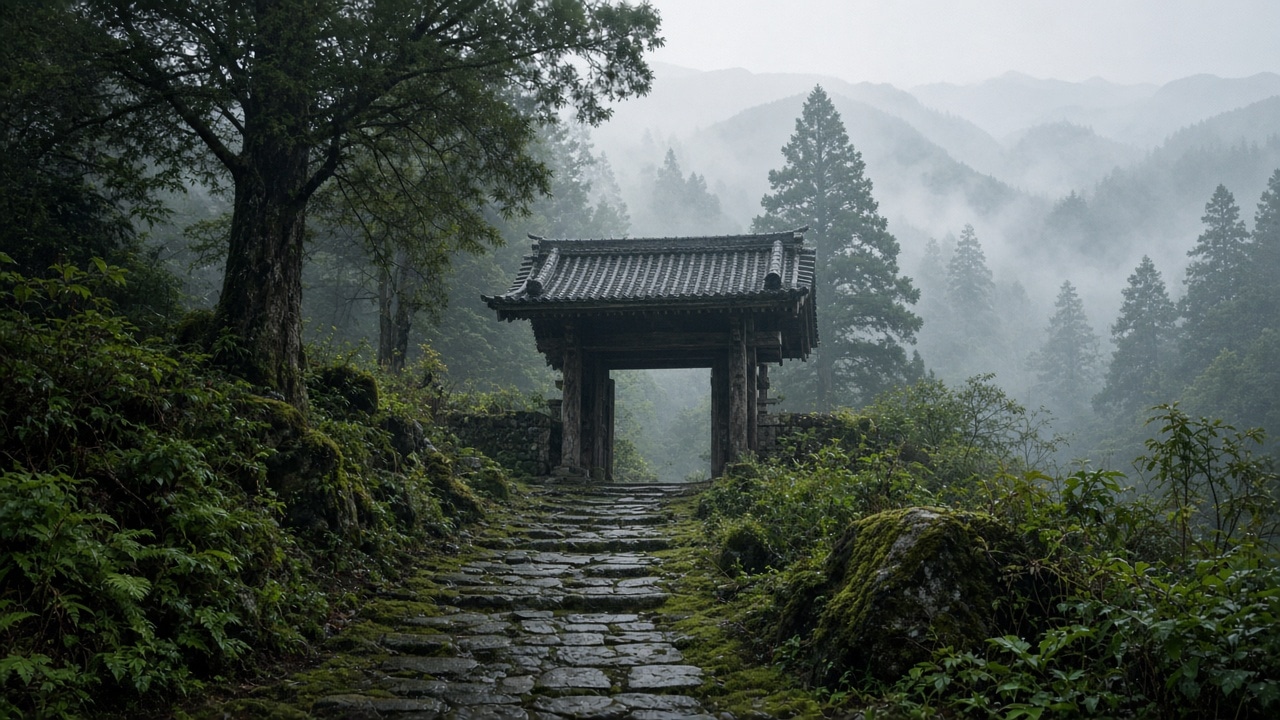
※イメージ写真 / Image for illustration
八女茶の始まりは約600年前
八女茶の始まりは、室町時代の1423年(応永30年)とされています。
明(現在の中国)で禅の修行を終えた栄林周瑞(えいりんしゅうずい)禅師が、茶の種子を持ち帰ったことがきっかけです。
明(現在の中国)で禅の修行を終えた栄林周瑞(えいりんしゅうずい)禅師が、茶の種子を持ち帰ったことがきっかけです。
Yame tea is said to have begun in 1423, during the Muromachi period.
It started when the Zen monk Eirin Shuzui returned from training in Ming China, bringing tea seeds with him.
It started when the Zen monk Eirin Shuzui returned from training in Ming China, bringing tea seeds with him.
禅師は、現在の八女市黒木町笠原にあたる村の庄屋・松尾太郎五郎久家に茶の種子を与え、製茶の技法とともに伝えたといわれています。
こうして八女の地にお茶づくりが広まっていきました。
こうして八女の地にお茶づくりが広まっていきました。
He is said to have given the seeds to Matsuo Taro Goro Hisaie, the village head of what is now Kasahara in Kurogi, Yame, along with tea-making techniques.
In this way, tea production spread across the Yame area.
In this way, tea production spread across the Yame area.
八女茶発祥の地「霊巌寺」
禅師が建立した霊巌寺(れいがんじ)は、深い山の中にある禅寺です。
留学先だった中国・蘇州の霊巌寺に景観がよく似ていたことから、この地に寺を建てたと伝えられています。
留学先だった中国・蘇州の霊巌寺に景観がよく似ていたことから、この地に寺を建てたと伝えられています。
Reiganji, the temple the monk founded, is a Zen temple deep in the mountains.
It is said he built it there because the landscape closely resembled that of Reiganji in Suzhou, China, where he had studied.
It is said he built it there because the landscape closely resembled that of Reiganji in Suzhou, China, where he had studied.
境内に茶の実を植え、栽培と製茶の指導を始めたことから、霊巌寺は「八女茶発祥の地」とされています。
毎年八十八夜(5月2日)には、禅師をしのぶ献茶祭が行われ、新茶が供えられます。
毎年八十八夜(5月2日)には、禅師をしのぶ献茶祭が行われ、新茶が供えられます。
Because he planted tea seeds on the temple grounds and began teaching cultivation and processing, Reiganji is known as the birthplace of Yame tea.
Every year on Hachijuhachiya (May 2), a tea offering ceremony is held in his memory, and new-season tea is offered.
Every year on Hachijuhachiya (May 2), a tea offering ceremony is held in his memory, and new-season tea is offered.
献茶祭では、茶もみ唄として歌い継がれてきた「八女茶山唄」も奉納されます。
八女市によると、この献茶祭が終わると、茶農家はお茶摘みの最盛期に入るそうです。
八女市によると、この献茶祭が終わると、茶農家はお茶摘みの最盛期に入るそうです。
At the ceremony, the Yame Chayama Uta, a tea-rolling song handed down through generations, is also performed.
According to Yame City, once the ceremony is over, tea farmers enter the peak of the picking season.
According to Yame City, once the ceremony is over, tea farmers enter the peak of the picking season.
九州とお茶のつながり
日本でお茶の栽培がいつ始まったかには諸説あります。
その一つとして、栄西禅師が1191年に中国(宋)から茶の種子を持ち帰り、九州の背振山に播いたのが始まりとする説が知られています。
その一つとして、栄西禅師が1191年に中国(宋)から茶の種子を持ち帰り、九州の背振山に播いたのが始まりとする説が知られています。
There are various theories about when tea cultivation began in Japan.
One well-known account holds that it began in 1191, when the Zen monk Eisai brought tea seeds from Song China and planted them on Mount Sefuri in Kyushu.
One well-known account holds that it began in 1191, when the Zen monk Eisai brought tea seeds from Song China and planted them on Mount Sefuri in Kyushu.
現在の八女は、高級玉露の産地としても知られています。
稲わらで棚を覆って日光をさえぎる伝統的な製法の「八女伝統本玉露」は、お茶として初めて国の地理的表示(GI)保護制度に登録されました。
稲わらで棚を覆って日光をさえぎる伝統的な製法の「八女伝統本玉露」は、お茶として初めて国の地理的表示(GI)保護制度に登録されました。
Today, Yame is also known for producing high-grade gyokuro.
Yame Dento Hon Gyokuro, made by the traditional method of shading the plants with rice-straw canopies, became the first tea registered under Japan's Geographical Indication (GI) protection system.
Yame Dento Hon Gyokuro, made by the traditional method of shading the plants with rice-straw canopies, became the first tea registered under Japan's Geographical Indication (GI) protection system.
九州は、日本のお茶の歴史と深く結びついた土地なのです。
そんな九州・八女のお茶から生まれた抹茶を、ぜひ味わってみてください。
そんな九州・八女のお茶から生まれた抹茶を、ぜひ味わってみてください。
Kyushu is a land deeply connected with the history of Japanese tea.
We invite you to taste matcha made from the tea of Yame, Kyushu.
We invite you to taste matcha made from the tea of Yame, Kyushu.
八女抹茶「霊巌の華」とは
「霊巌の華」は、福岡のお茶どころ・八女の上質な碾茶(てんちゃ)を、石臼で丹念に挽いた八女抹茶です。
名前は、八女茶発祥の地といわれる霊巌寺にちなんでいます。
名前は、八女茶発祥の地といわれる霊巌寺にちなんでいます。
Reigan no Hana is Yame matcha made from fine tencha leaves grown in Yame, Fukuoka's renowned tea region, carefully ground in a stone mill.
Its name comes from Reiganji, said to be the birthplace of Yame tea.
Its name comes from Reiganji, said to be the birthplace of Yame tea.
豊かな香りと深い味わい、なめらかな口当たりが特徴です。
「八女茶の旨みが凝縮された至福の一杯」をお楽しみください。
「八女茶の旨みが凝縮された至福の一杯」をお楽しみください。
It is characterised by a rich aroma, deep flavour and a smooth texture.
Enjoy "a blissful cup, rich with the umami of Yame tea."
Enjoy "a blissful cup, rich with the umami of Yame tea."
内容量は30g、原材料は抹茶(八女茶)のみです。
賞味期限は未開封で約5か月です。
賞味期限は未開封で約5か月です。
The contents are 30 g, and the only ingredient is matcha (Yame tea).
Best-before is about 5 months unopened.
Best-before is about 5 months unopened.
抹茶と碾茶の関係
抹茶の原料になるのが「碾茶」です。
碾茶は、摘み取る前の2〜3週間ほど茶園を覆って日光をさえぎって育てた茶葉を、蒸したあと揉まずに乾燥させて作ります。
碾茶は、摘み取る前の2〜3週間ほど茶園を覆って日光をさえぎって育てた茶葉を、蒸したあと揉まずに乾燥させて作ります。
The raw material of matcha is tencha.
Tencha is made from leaves shaded from sunlight for about two to three weeks before picking, then steamed and dried without rolling.
Tencha is made from leaves shaded from sunlight for about two to three weeks before picking, then steamed and dried without rolling.
この碾茶を茶臼などで細かく挽いたものが抹茶です。
ちなみに、碾茶以外のお茶を粉末にしたものは、一般に「粉末茶」と呼ばれます。
ちなみに、碾茶以外のお茶を粉末にしたものは、一般に「粉末茶」と呼ばれます。
Matcha is tencha finely ground in a stone mill or similar.
Incidentally, powdered tea made from teas other than tencha is generally called funmatsucha (powdered tea).
Incidentally, powdered tea made from teas other than tencha is generally called funmatsucha (powdered tea).
ご家庭での抹茶の点て方(目安)
京都府茶業研究所が紹介している、一般的な点て方の目安をご紹介します。
まず抹茶を茶こしでふるってダマをなくし、茶碗と茶筅(ちゃせん)を温めておきます。
まず抹茶を茶こしでふるってダマをなくし、茶碗と茶筅(ちゃせん)を温めておきます。
Here is a general method introduced by the Kyoto Prefectural Tea Research Institute.
First, sift the matcha through a tea strainer to remove lumps, and warm the bowl and whisk.
First, sift the matcha through a tea strainer to remove lumps, and warm the bowl and whisk.
ふるった抹茶を約2g(ティースプーン軽く1杯)茶碗に入れます。
70〜80℃に冷ましたお湯70mlのうち少量を注ぎ、茶筅で溶くように混ぜます。
70〜80℃に冷ましたお湯70mlのうち少量を注ぎ、茶筅で溶くように混ぜます。
Put about 2 g of sifted matcha (one light teaspoon) into the bowl.
Pour in a little of 70 ml of water cooled to 70–80°C, and mix with the whisk to dissolve it.
Pour in a little of 70 ml of water cooled to 70–80°C, and mix with the whisk to dissolve it.
残りのお湯を注ぎ、手首を前後に動かして混ぜます。
泡が細かいほど、口当たりがなめらかに仕上がります。
泡が細かいほど、口当たりがなめらかに仕上がります。
Add the rest of the water and whisk by moving your wrist back and forth.
The finer the foam, the smoother the texture.
The finer the foam, the smoother the texture.
抹茶茶碗がなければ、カフェオレボウルなどでも代用できます。
霊巌の華は和菓子との相性もよいので、ちょっと贅沢なティータイムにどうぞ。
霊巌の華は和菓子との相性もよいので、ちょっと贅沢なティータイムにどうぞ。
If you don't have a matcha bowl, a café au lait bowl or similar will do.
Reigan no Hana pairs beautifully with Japanese sweets, so enjoy it for a special tea time.
Reigan no Hana pairs beautifully with Japanese sweets, so enjoy it for a special tea time.
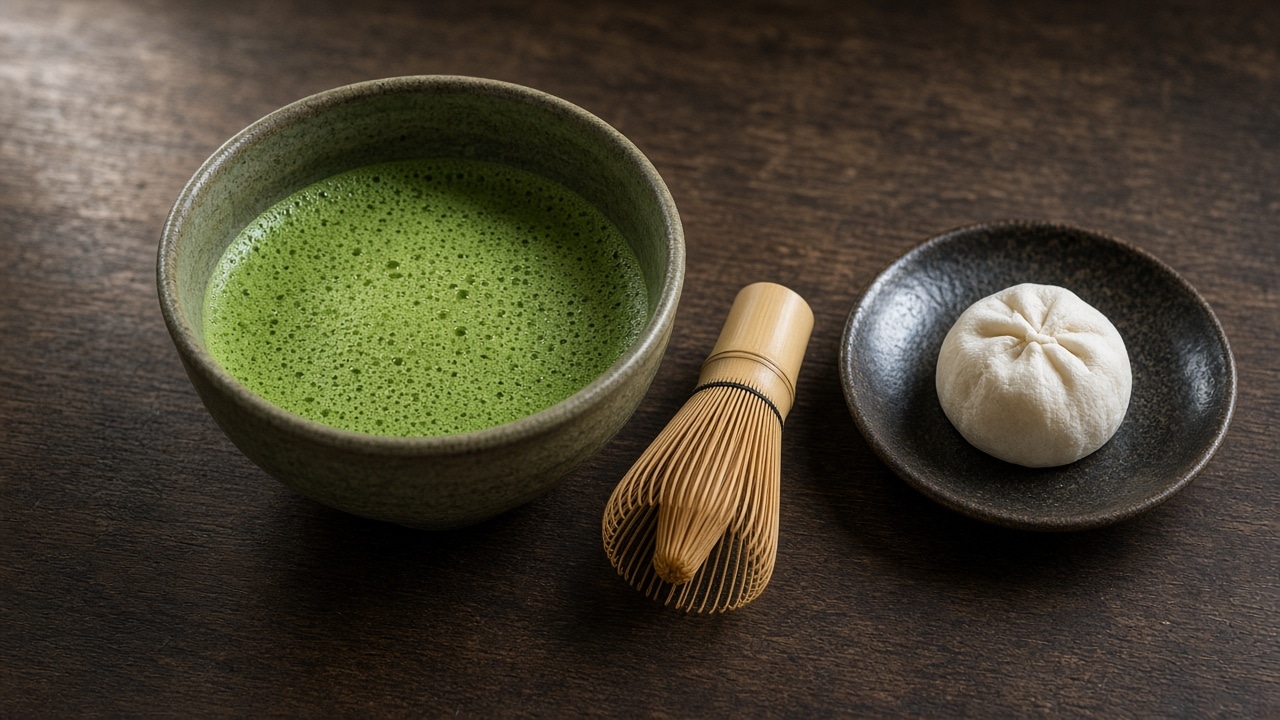
※イメージ写真 / Image for illustration
石臼挽きの粉末茶もあわせて
森尾園では、抹茶のほかに、八女玉露白折を石臼で挽いた粉末茶もお作りしています。
抹茶とは原料の異なる「粉末茶」なので、飲み比べてみるのもおすすめです。
抹茶とは原料の異なる「粉末茶」なので、飲み比べてみるのもおすすめです。
Besides matcha, Morioen also makes a powdered tea from Yame Gyokuro Shiraore, ground in a stone mill.
As it is a powdered tea made from a different raw material than matcha, we recommend comparing the two.
As it is a powdered tea made from a different raw material than matcha, we recommend comparing the two.
店舗のご案内
森尾園の店舗では、お茶の試飲と販売を行っています。
九州・八女のお茶を、ぜひ店頭で味わってみてください。
九州・八女のお茶を、ぜひ店頭で味わってみてください。
At the Morioen shop, we offer tea tastings and sales.
Please come and taste teas from Yame, Kyushu, in store.
Please come and taste teas from Yame, Kyushu, in store.
〒811-0121 福岡県糟屋郡新宮町美咲2-6-2
営業時間 9:00〜18:00(土・日・祝日定休)
営業時間 9:00〜18:00(土・日・祝日定休)
2-6-2 Misaki, Shingu, Kasuya, Fukuoka 811-0121
Open 9:00–18:00 (closed Sat, Sun & national holidays)
Open 9:00–18:00 (closed Sat, Sun & national holidays)